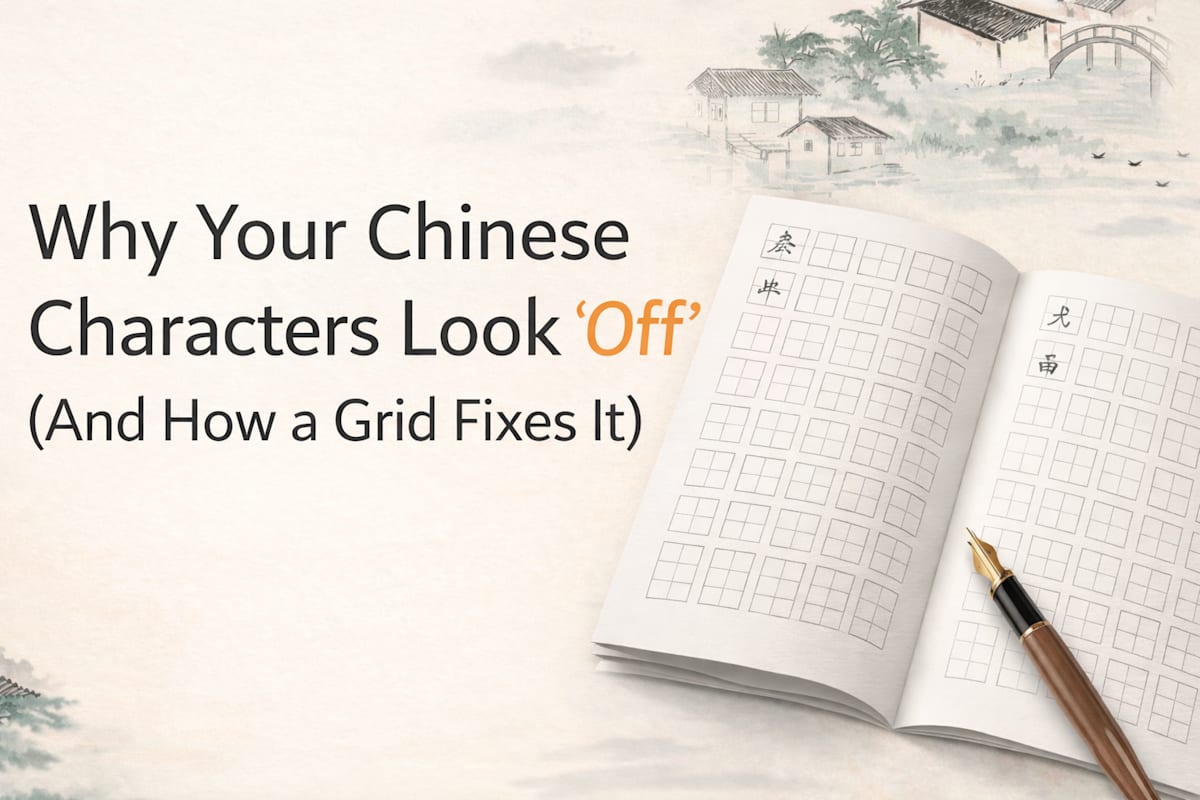
If you’ve ever looked at your written Chinese characters and felt something was “wrong” — even when you know the character — you’re not imagining it. For most learners, the issue isn’t vocabulary, memory, or motivation.
It’s structure.
Chinese handwriting depends heavily on spacing, proportion, and balance. Without a visual guide, even careful writing can slowly drift. Characters begin to lean, crowd together, or lose their natural shape. The good news is that you don’t need complicated techniques to fix this. You need a practice method that makes structure automatic.
The hidden reason characters look uneven
Most handwriting problems come from a few common issues:
- Crowding: strokes bunch up in one corner of the space
- Drifting: the character leans left or right, or sinks too low
- Inconsistent size: one character is large, the next is noticeably smaller
This happens because your brain is juggling too many tasks at once — remembering the shape, placing each stroke, and controlling overall proportion — all without a clear frame of reference.
Why a grid changes everything
A Tianzi grid (the traditional four-square box) works because it gives your eyes a simple, reliable target:
- A clear boundary for the character’s outer shape
- A visual center that helps keep the character balanced
- Four zones that naturally guide top/bottom and left/right placement
Instead of guessing where the character should sit, you begin to feel the correct placement. That matters, because handwriting improvement isn’t just about knowing what to write — it’s about repetition combined with immediate visual feedback.
What “balance” actually means in practice
Balance doesn’t mean perfect symmetry. It means the character looks stable and intentional on the page.
When practicing, try checking these three things:
- Top vs. bottom: does the character feel top-heavy or sink too low?
- Left vs. right: does one side feel visually heavier than the other?
- Breathing room: can you clearly see the shape, or does it feel cramped?
A grid makes these issues obvious immediately, which is exactly what you want during practice.
A simple 10-minute practice routine (that actually works)
This is a realistic routine you can repeat daily without burning out:
- Pick 1–3 characters (from class, an HSK list, or your notes)
- Write each character slowly three times, focusing only on shape
- Write it 10–20 times, aiming for consistency rather than speed
- Circle the best two and briefly note what felt different (optional)
That’s it.
The goal isn’t to write more. The goal is to write the same thing enough times for spacing and proportion to stabilize naturally.
Common mistakes to avoid
A few small adjustments can make a big difference:
- Don’t write too small — small writing hides mistakes and causes cramping
- Don’t rush stroke speed — speed comes after consistency
- Don’t practice random characters — repetition works best with a small set
- Don’t chase perfection — aim for “cleaner than yesterday”
How to know you’re improving
After a week or two of consistent practice, you may notice:
- Characters begin fitting the space more naturally
- Less hesitation when placing strokes
- More consistent size and alignment across rows
- A calmer, more controlled feeling in your hand
That’s real progress — and it compounds quickly when your practice is structured.
Final thought
Chinese character handwriting becomes much easier when you stop relying on guesswork. A grid-based practice approach reduces mental load, reinforces proportion, and helps you build a steady routine you can actually stick to.
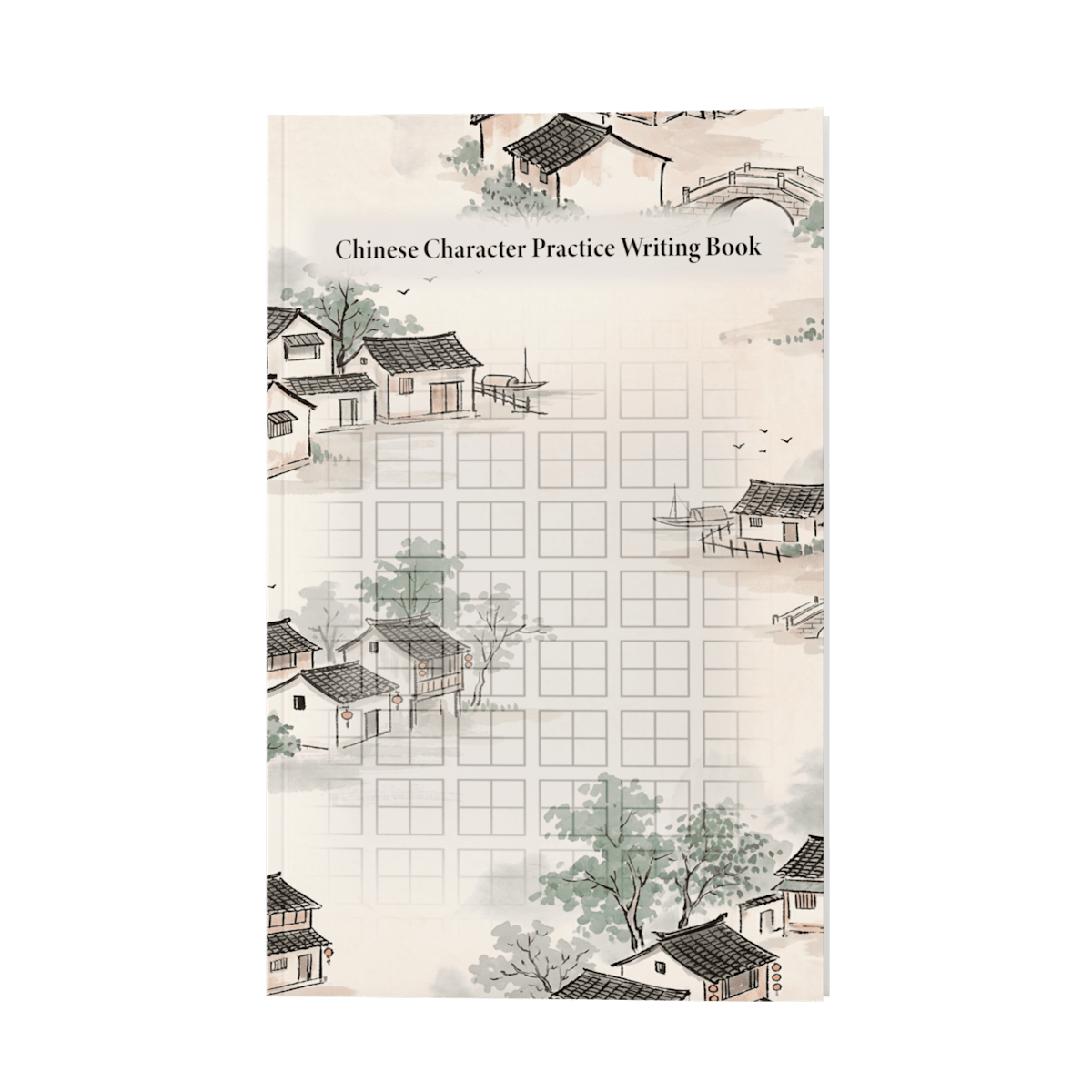
If you want to practice using a clean Tianzi grid format, you can find an example of this layout here:
👉 https://nichenotespress.com/books/chinese-character-practice-writing-book
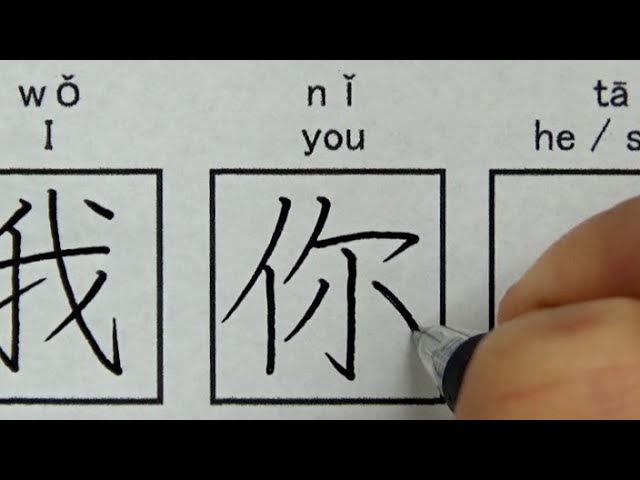

What you’ll learn from the video
This beginner-friendly video covers:
- Proper stroke order for foundational characters
- How to structure characters within a balanced space
- Techniques to maintain even spacing and proportion
- Visual examples of handwriting that reinforce grid-based practice
Watching someone write characters slowly and clearly can help you internalize spacing and stroke relationships — exactly the skills that grid paper helps you develop.